
21st Annual
Chemical and Pharma
Strategic Procurement, Sourcing & Supply Chain Summit
The official date for the summit will be announced soon
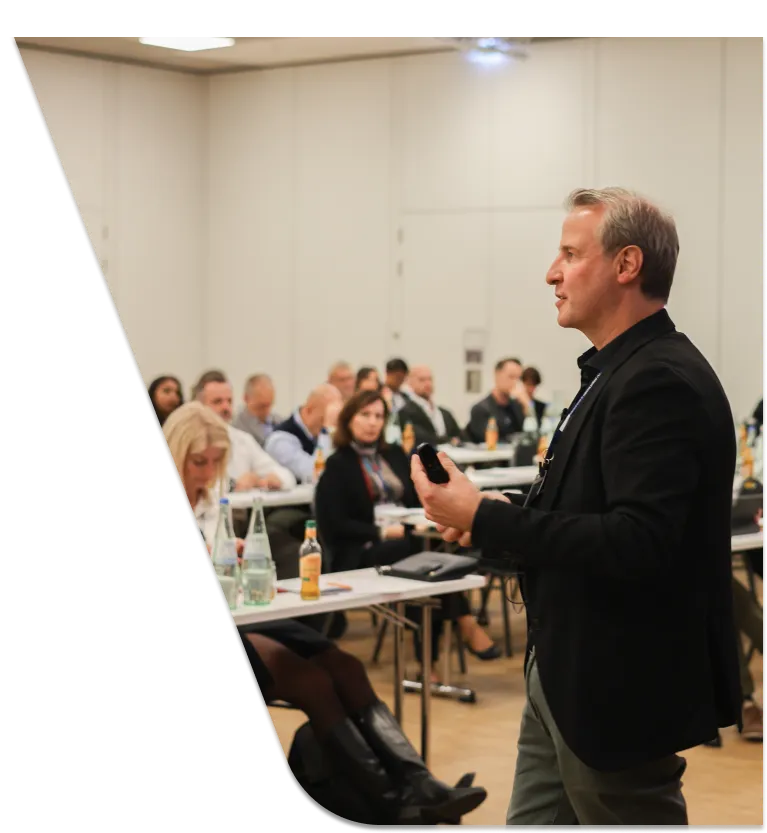
Past Speakers
SEE THE PREVIOUS SPEAKERS & CASE STUDIES


CASE STUDY
CapEx Sourcing in Times of VUCA
The presentation circles around approaches, ideas and best practices of sourcing & purchasing construction-related services and equipment in an environment of VUCA (volatility, uncertainty, complexity, ambiguity) from the background of volatile markets based on geopolitical situations and further threads like pandemics.
- 01Sourcing Strategies
- 02Contracting
- 03Risk Management
Intro to Nykredit’s operational excellence transformation that started in 2023. Focus on lean, continuous improvements, process mining, AI, and, most importantly, benefit realisation.


CASE STUDY
Transforming the Engineering and Construction of Process Industry with Digital Innovation
Digital innovation is revolutionising the engineering and construction of the process industry by enhancing efficiency, streamlining workflows, and fostering collaboration among stakeholders. Advanced technologies such as BIM, AI, and IoT enable data-driven decision-making, optimise resource utilisation, and improve project outcomes. This transformation promotes sustainability, reduces costs, and drives the industry toward a smarter, more connected future.
- 01Global Process Industry and Digital Transformation: Analysing the evolving digital transformation market and its influence on the Global Engineering and Construction Sector
- 02The Road to Digital EPC: Charting the course towards a digitally advanced and integrated Engineering and Construction of Process Industry
Payit is UAE’s first fully featured digital wallet. This presentation narrates the story of how a digital wallet transformed financial transactions for families and communities in the region into joyful moments by thoughtfully curating experiences centred around customers’ spending, sending, and borrowing moments, enabled by the comfort and convenience of digital. This led to the wider acceptance of Payit and an upsurge in usage and profitable revenues.


CASE STUDY
Beyond the Algorithm: The Power of Human Connection in Business
As we navigate the complexities of the digital age, we risk losing sight of the power of relationships.
- 01The erosion of human connection in the digital age
- 02The importance of values-based business practices
- 03Thesis statement: A values-based approach is essential for long-term business success
- 04The short-sightedness of prioritising efficiency over relationships
- 05The Power of Values-Based Business
This presentation will provide an in-depth analysis of the financial industry’s transformation, from its traditional banking roots to the rise of fintech and the disruptive influence of Web3 technologies. By examining the historical context, key innovations, and future implications, we will gain a comprehensive understanding of how the financial landscape has been reshaped and what the future holds for the industry. Join me to understand finance’s past, present, and future in a rapidly changing digital world.


CASE STUDY
How Do You Manage Vendor Relationships and Ensure the Selection of the Right Partners for Projects Across Diverse Regions?
Requirements Assessment: Identify the specific needs of the project, including technical capabilities, experience, and regional expertise Evaluation Metrics: Establish criteria for evaluating potential vendors, such as quality, reliability, cost, and compliance with regulations
- 01Vendor management
- 02Vendor selection pool
- 03Vendor reduction
- 04Supplier days
- 05Supplier purchasing agreements
In today’s rapidly evolving digital landscape, the banking sector faces increasingly sophisticated cyber threats. As banks continue to innovate and expand their digital services, ensuring robust cybersecurity measures is more critical than ever. This presentation, titled “Evolving Cybersecurity in the Banking Sector: Strategies for Adapting to Emerging Threats,” will explore the latest trends in cyber threats, discuss effective strategies for mitigating risks, and highlight best practices for maintaining security in an ever-changing environment. Join us as we delve into the challenges and solutions that are shaping the future of cybersecurity in banking.


CASE STUDY
The Power of Logistics S&OP
The presentation will cover how Logistics S&OP can unlock value and position your supply chain for customer success.
- 01What is LS&OP?
- 02Value benefits
- 03CX and EX benefits
Today’s modern workforce is comprised of multiple generations with diverse perspectives, experiences, and preferences. As we move towards the future, the number of generations in the workplace is set to increase. There are significant impacts on any organisation due to the generation gap. Technology offers numerous tools and platforms that facilitate communication and bridge the gap between different age groups. Additionally, the technology addresses and unlocks the NextGEN connections.





CASE STUDY
CapEx Sourcing in Times of VUCA
The presentation circles around approaches, ideas and best practices of sourcing & purchasing construction-related services and equipment in an environment of VUCA (volatility, uncertainty, complexity, ambiguity) from the background of volatile markets based on geopolitical situations and further threads like pandemics.
- 01Sourcing Strategies
- 02Contracting
- 03Risk Management
Intro to Nykredit’s operational excellence transformation that started in 2023. Focus on lean, continuous improvements, process mining, AI, and, most importantly, benefit realisation.

CASE STUDY
Transforming the Engineering and Construction of Process Industry with Digital Innovation
Digital innovation is revolutionising the engineering and construction of the process industry by enhancing efficiency, streamlining workflows, and fostering collaboration among stakeholders. Advanced technologies such as BIM, AI, and IoT enable data-driven decision-making, optimise resource utilisation, and improve project outcomes. This transformation promotes sustainability, reduces costs, and drives the industry toward a smarter, more connected future.
- 01Global Process Industry and Digital Transformation: Analysing the evolving digital transformation market and its influence on the Global Engineering and Construction Sector
- 02The Road to Digital EPC: Charting the course towards a digitally advanced and integrated Engineering and Construction of Process Industry
Payit is UAE’s first fully featured digital wallet. This presentation narrates the story of how a digital wallet transformed financial transactions for families and communities in the region into joyful moments by thoughtfully curating experiences centred around customers’ spending, sending, and borrowing moments, enabled by the comfort and convenience of digital. This led to the wider acceptance of Payit and an upsurge in usage and profitable revenues.

CASE STUDY
Beyond the Algorithm: The Power of Human Connection in Business
As we navigate the complexities of the digital age, we risk losing sight of the power of relationships.
- 01The erosion of human connection in the digital age
- 02The importance of values-based business practices
- 03Thesis statement: A values-based approach is essential for long-term business success
- 04The short-sightedness of prioritising efficiency over relationships
- 05The Power of Values-Based Business
This presentation will provide an in-depth analysis of the financial industry’s transformation, from its traditional banking roots to the rise of fintech and the disruptive influence of Web3 technologies. By examining the historical context, key innovations, and future implications, we will gain a comprehensive understanding of how the financial landscape has been reshaped and what the future holds for the industry. Join me to understand finance’s past, present, and future in a rapidly changing digital world.

CASE STUDY
How Do You Manage Vendor Relationships and Ensure the Selection of the Right Partners for Projects Across Diverse Regions?
Requirements Assessment: Identify the specific needs of the project, including technical capabilities, experience, and regional expertise Evaluation Metrics: Establish criteria for evaluating potential vendors, such as quality, reliability, cost, and compliance with regulations
- 01Vendor management
- 02Vendor selection pool
- 03Vendor reduction
- 04Supplier days
- 05Supplier purchasing agreements
In today’s rapidly evolving digital landscape, the banking sector faces increasingly sophisticated cyber threats. As banks continue to innovate and expand their digital services, ensuring robust cybersecurity measures is more critical than ever. This presentation, titled “Evolving Cybersecurity in the Banking Sector: Strategies for Adapting to Emerging Threats,” will explore the latest trends in cyber threats, discuss effective strategies for mitigating risks, and highlight best practices for maintaining security in an ever-changing environment. Join us as we delve into the challenges and solutions that are shaping the future of cybersecurity in banking.

CASE STUDY
The Power of Logistics S&OP
The presentation will cover how Logistics S&OP can unlock value and position your supply chain for customer success.
- 01What is LS&OP?
- 02Value benefits
- 03CX and EX benefits
Today’s modern workforce is comprised of multiple generations with diverse perspectives, experiences, and preferences. As we move towards the future, the number of generations in the workplace is set to increase. There are significant impacts on any organisation due to the generation gap. Technology offers numerous tools and platforms that facilitate communication and bridge the gap between different age groups. Additionally, the technology addresses and unlocks the NextGEN connections.
CASE STUDY
CapEx Sourcing in Times of VUCA
The presentation circles around approaches, ideas and best practices of sourcing & purchasing construction-related services and equipment in an environment of VUCA (volatility, uncertainty, complexity, ambiguity) from the background of volatile markets based on geopolitical situations and further threads like pandemics.
- 01Sourcing Strategies
- 02Contracting
- 03Risk Management
Intro to Nykredit’s operational excellence transformation that started in 2023. Focus on lean, continuous improvements, process mining, AI, and, most importantly, benefit realisation.
CASE STUDY
Transforming the Engineering and Construction of Process Industry with Digital Innovation
Digital innovation is revolutionising the engineering and construction of the process industry by enhancing efficiency, streamlining workflows, and fostering collaboration among stakeholders. Advanced technologies such as BIM, AI, and IoT enable data-driven decision-making, optimise resource utilisation, and improve project outcomes. This transformation promotes sustainability, reduces costs, and drives the industry toward a smarter, more connected future.
- 01Global Process Industry and Digital Transformation: Analysing the evolving digital transformation market and its influence on the Global Engineering and Construction Sector
- 02The Road to Digital EPC: Charting the course towards a digitally advanced and integrated Engineering and Construction of Process Industry
Payit is UAE’s first fully featured digital wallet. This presentation narrates the story of how a digital wallet transformed financial transactions for families and communities in the region into joyful moments by thoughtfully curating experiences centred around customers’ spending, sending, and borrowing moments, enabled by the comfort and convenience of digital. This led to the wider acceptance of Payit and an upsurge in usage and profitable revenues.
CASE STUDY
Beyond the Algorithm: The Power of Human Connection in Business
As we navigate the complexities of the digital age, we risk losing sight of the power of relationships.
- 01The erosion of human connection in the digital age
- 02The importance of values-based business practices
- 03Thesis statement: A values-based approach is essential for long-term business success
- 04The short-sightedness of prioritising efficiency over relationships
- 05The Power of Values-Based Business
This presentation will provide an in-depth analysis of the financial industry’s transformation, from its traditional banking roots to the rise of fintech and the disruptive influence of Web3 technologies. By examining the historical context, key innovations, and future implications, we will gain a comprehensive understanding of how the financial landscape has been reshaped and what the future holds for the industry. Join me to understand finance’s past, present, and future in a rapidly changing digital world.
CASE STUDY
How Do You Manage Vendor Relationships and Ensure the Selection of the Right Partners for Projects Across Diverse Regions?
Requirements Assessment: Identify the specific needs of the project, including technical capabilities, experience, and regional expertise Evaluation Metrics: Establish criteria for evaluating potential vendors, such as quality, reliability, cost, and compliance with regulations
- 01Vendor management
- 02Vendor selection pool
- 03Vendor reduction
- 04Supplier days
- 05Supplier purchasing agreements
In today’s rapidly evolving digital landscape, the banking sector faces increasingly sophisticated cyber threats. As banks continue to innovate and expand their digital services, ensuring robust cybersecurity measures is more critical than ever. This presentation, titled “Evolving Cybersecurity in the Banking Sector: Strategies for Adapting to Emerging Threats,” will explore the latest trends in cyber threats, discuss effective strategies for mitigating risks, and highlight best practices for maintaining security in an ever-changing environment. Join us as we delve into the challenges and solutions that are shaping the future of cybersecurity in banking.
CASE STUDY
The Power of Logistics S&OP
The presentation will cover how Logistics S&OP can unlock value and position your supply chain for customer success.
- 01What is LS&OP?
- 02Value benefits
- 03CX and EX benefits
Today’s modern workforce is comprised of multiple generations with diverse perspectives, experiences, and preferences. As we move towards the future, the number of generations in the workplace is set to increase. There are significant impacts on any organisation due to the generation gap. Technology offers numerous tools and platforms that facilitate communication and bridge the gap between different age groups. Additionally, the technology addresses and unlocks the NextGEN connections.

Ahmed Nasr
Operations Director Egypt and Director Milk Africa & Turkey


Khaled Elsharkawy
Integrated Supply Chain Senior Director


Mueen Uddin Siddique
Senior Director – Access Network Procurement


Shannon Hore
Senior Vice President Procurement and Logistics


Sandeep Sharma
Director Group Procurement & International Markets Supply Chain

Hottest topics
LOOK AT THE TOPICS THAT WERE DISCUSSED
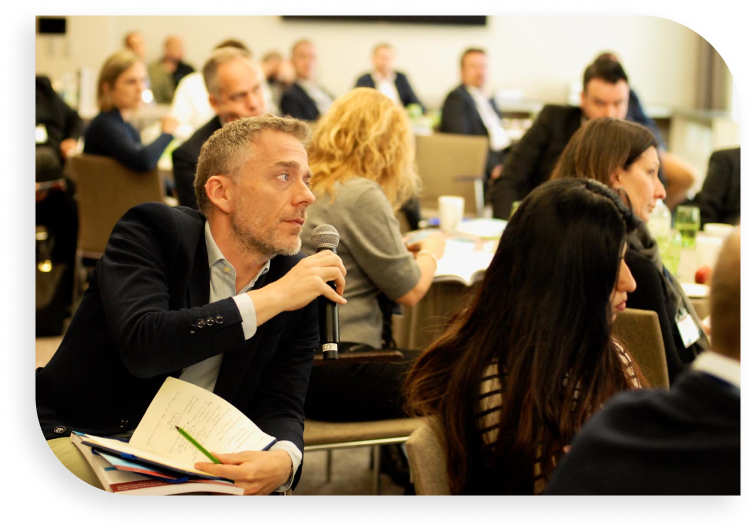
- 01Safeguarding your supply chain: Identifying and assessing sourcing risks
- 02Cost-benefit analysis of insourcing vs outsourcing
- 03How can warehouses and distribution centres be optimised?
- 04What strategies do you use for handling contract disputes and amendments?
- 05Developing effective training and development programmes
- 06What strategies can we use to minimise waste in production and logistics?
- 07How can you leverage big data for predictive analytics and decision-making?
Testimonials
What our users say about our conferences
Sponsor
Our Trusted Sponsor at This Summit

STAY UPDATED FOR THE 2026 EDITION
With All the Updates Regarding the Upcoming Edition of This Event.